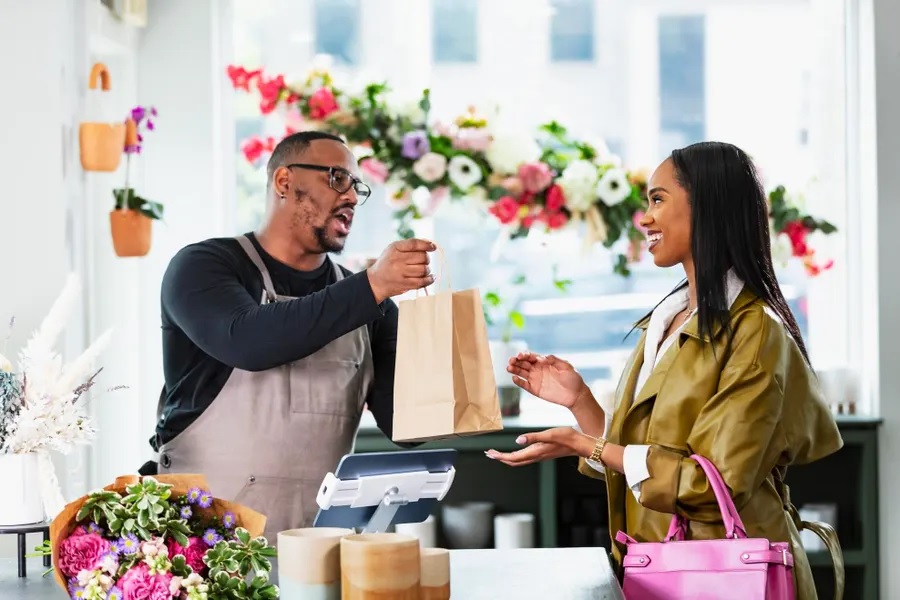
Ask ten shoppers how many retail loyalty programs they belong to, and most will guess somewhere between fifteen and thirty. Ask how many they actually care about, and the room usually goes quiet. Most people carry a graveyard of forgotten punch cards, unread promotional emails, and points balances that never quite add up to anything worth redeeming.
Independent boutique owners often fall into the trap of copying the exact rewards blueprint used by national department stores. They turn on a default points-per-dollar setting in their point-of-sale system, promise ten dollars off after spending two hundred, and wonder why repeat visits barely budge. Big-box chains can survive on pure transactional discounts because they operate on massive volume. Boutiques win for a completely different reason: curation, warmth, and the feeling of being genuinely known. A memorable boutique loyalty program builds directly on those strengths, turning occasional browsers into devoted regulars without draining your profit margins.
Why Generic Points Programs Rarely Work for Small Boutiques
Discount-heavy loyalty programs carry two quiet risks for independent shops. First, they chip away at hard-earned gross margins. Giving away ten percent across every repeat purchase might look modest on paper, yet when rent, payroll, shipping, and wholesale costs stay fixed, those small markdowns eat directly into net profit. Worse, flat discounts often reward customers who were already happily planning to buy at full price.
Second, purely transactional rewards fail to create real emotional attachment. If the only reason a shopper returns to your boutique is a five-dollar coupon, another retailer offering a ten-dollar coupon can pull them away effortlessly. When a loyalty program feels identical to the one at a neighborhood grocery store or pharmacy, it strips away the charm that drew customers to an independent storefront in the first place.
True loyalty for a boutique grows out of access, recognition, and convenience. Shoppers want to feel like insiders who get first look at limited pieces, receive styling help that genuinely fits their lives, and walk into a store where someone remembers their name and taste.
Core Elements of a Memorable Boutique Loyalty Program
Building a program people talk about to their friends does not require enterprise software or a massive marketing budget. It requires designing perks that reflect your store’s personality and feel genuinely special to the people who shop with you most.
Experiential Perks That Outperform Coupons
Discounts disappear the moment a receipt prints, whereas thoughtful experiences linger in a customer’s memory. Many of the highest-value perks a boutique can offer cost very little in hard cash while feeling remarkably generous to the shopper.
Consider weaving access and service privileges into your program:
-
Early access to new arrivals: Give loyalty members a 24- to 48-hour head start—either through a private shopping link or an invitation-only evening preview—before seasonal drops hit the main floor. Because boutiques carry shallow size runs, first pick on popular sizes is often far more valuable than ten percent off.
-
Complimentary finishing services: Partner with a reliable local tailor to offer free basic hemming on full-price trousers or dresses for top-tier members, or include complimentary gift wrapping and garment steaming year-round.
-
Private styling appointments: Offer members one-on-one closet refresh sessions, vacation packing consultations, or after-hours shopping slots with light refreshments where they can bring two friends along.
-
Exclusive small-batch gifts: Instead of discounting core apparel, reward spending milestones with a curated physical gift—such as a locally poured candle, a delicate jewelry travel case, or a silk scarf. Because you purchase accessories or lifestyle goods at wholesale, a gift with a forty-dollar perceived retail value may cost your business less than fifteen dollars.
Simple Tiered Structures People Actually Understand
Complicated math kills enthusiasm. If a customer has to pull out a calculator to figure out whether 375 points equals a free tote or a discount code, they will stop paying attention altogether.
Keep your structure clean with two or three clear tiers anchored to annual spend or yearly visit count. For example, an entry tier might welcome every shopper who joins with free exchanges, birthday treats, and early access to seasonal sales. A mid-level tier unlocks first look at new collections and complimentary gift wrapping. A top VIP tier adds private styling nights, free basic alterations, and an annual curated thank-you gift.
Naming your tiers thoughtfully reinforces your brand identity. Skip generic corporate labels like “Bronze, Silver, Gold” and pick words that match your store’s world—whether that leans coastal, minimalist, vintage, or contemporary. People enjoy belonging to a club that sounds like a reflection of their own style.
Genuine Personalization Through Everyday Clienteling
Technology makes tracking purchases effortless, yet most small retailers barely scratch the surface of the customer data already sitting inside their point-of-sale system. Clienteling—recording small, useful details about regular shoppers—turns ordinary loyalty tracking into remarkable hospitality.
Encourage associates to jot down quick, respectful notes in a member’s profile after helpful conversations: preferred denim rise, favorite sleeve lengths, upcoming milestones like a daughter’s wedding or a trip to Italy, or colors they avoid entirely. When a shipment arrives six weeks later containing a tailored linen blazer in a VIP client’s exact size and favorite neutral shade, sending a brief, personal text or email letting her know you set one aside for twenty-four hours feels like magic. That single gesture sells far more full-price merchandise than any mass automated blast ever could.
Apply the same personal standard to birthday rewards. Rather than sending an automated “15% off orders over $150” email that reads like a sales gimmick, offer an unconditional birthday credit—even fifteen or twenty dollars with no steep minimum—or invite them in during their birthday month to pick out a complimentary pair of stud earrings or a travel-size hand cream.
Neighborhood Partnerships That Expand Value
One built-in advantage independent boutiques hold over online giants is deep roots in a physical community. You can multiply the appeal of your loyalty program by teaming up with complementary, non-competing local businesses.
Partner with a beloved coffee roaster down the block, a neighborhood florist, a boutique Pilates studio, or a local wine bar. Your top-tier shoppers might receive a complimentary latte voucher when they attend a Saturday morning drop, or a fresh mini bouquet with purchases during Mother’s Day week. In return, you offer their regulars a small welcome credit at your shop. Members love discovering curated local treats, both businesses gain warm word-of-mouth referrals, and your boutique cements itself as a lifestyle hub rather than just another place to buy clothes.
Protecting Your Profit Margins While Being Generous
Generosity only works long term when the underlying math stays healthy. Before finalizing a single reward, pull twelve months of sales reports to establish three baseline numbers: your average order value, your average purchase frequency, and your gross profit margin.
Set your reward thresholds just slightly above current customer habits so the program nudges natural growth without feeling out of reach. If your average shopper spends $110 per visit and comes in twice a year, setting your first meaningful milestone at $300—roughly three visits—encourages one extra trip without demanding an unrealistic leap.
When you do offer monetary rewards, favor store credit vouchers over blanket percentage discounts. A twenty-dollar loyalty credit redeemed on a future visit brings a shopper back through the door, protects the perceived value of your brands, and typically encourages them to spend well above the voucher amount. Avoid frustrating fine print—such as tight two-week expiration windows or long lists of excluded brands—that turns a thank-you gesture into an irritation at the checkout counter.
Making Your Team the Centerpiece of Loyalty
Even the sleekest loyalty app falls flat if the human experience inside the store feels cold or robotic. Software keeps score, yet your staff creates the memory.
Train every associate to treat loyalty sign-ups as a warm invitation rather than a scripted checkout chore. Asking “Do you want to give me your email for our rewards program?” sounds like every chain store in the mall. Asking “Would you like to join our Insider list so you get first text alerts when new seasonal drops arrive and free basic hemming?” immediately communicates real value.
Equally important is empowering your team with small surprise-and-delight discretion. Give trusted staff members a modest monthly budget—or a shelf of small branded treats—to surprise loyal customers unexpectedly. Slipping a complimentary garment brush into the bag of a longtime client who just bought a cashmere sweater, or writing a quick handwritten thank-you card after a shopper’s fifth visit, creates an unforgettable moment precisely because it was not promised on a brochure.
Launching, Communicating, and Refining Over Time
Resist the temptation to unveil a massive, complicated program overnight. Start with a quiet soft launch invited exclusively to your top twenty-five existing regulars. Thank them for supporting your store, explain the perks you are testing, and ask plainly what excites them and what feels unnecessary. Early feedback from your best customers catches clunky sign-up steps and weak perks before the wider public ever sees them.
When you roll the program out fully, keep enrollment frictionless. Collect just a name, phone number or email, and optional birth month at the register so sign-up takes less than twenty seconds. Place clean, understated signage near the fitting rooms and checkout desk explaining the core benefits in three short bullet points—customers waiting in fitting rooms actually have time to read and absorb what makes joining worthwhile.
Once your program is running, review its health every quarter instead of letting it run on autopilot. Track four practical indicators:
-
Enrollment rate: What percentage of new buyers actually join at checkout?
-
Redemption rate: Are members actually claiming their perks and credits, or forgetting they exist?
-
Repeat visit interval: Are loyalty members returning sooner than non-members?
-
Spend comparison: How does the average order value and yearly spend of members stack up against casual shoppers?
If a perk sits unused for six months—perhaps nobody books weekday afternoon styling slots, yet everyone rushes to Saturday morning early-access previews—drop what stalls and invest more energy into what people genuinely love.
Independent retail has always thrived on human connection. When a loyalty program moves beyond clipped coupons and focuses on early access, personal memory, thoughtful local touches, and frictionless service, it stops feeling like a marketing tactic altogether. It starts feeling like hospitality—the kind that turns a first-time visitor into a regular who walks through your doors simply because your shop feels like theirs.