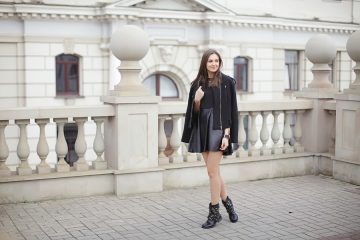
Staring into a packed closet and feeling like you have nothing to wear is rarely a shopping problem. More often, it is a mismatch problem. Hanging right in front of you might be structured wool blazers, delicate silk blouses, and heeled boots that looked incredible on a retail website or a friend at dinner, yet none of them make sense for a Tuesday filled with school drop-offs, six hours at a home desk, and an afternoon walk with the dog.
Most wardrobe frustration happens when people dress for an idealized version of their life instead of the one they actually live. Choosing outfits that genuinely work does not require memorizing complex fashion rules or chasing every seasonal trend. It starts with getting honest about how you spend your hours, paying attention to what feels good on your body, and building repeatable combinations that reflect your real taste.
Map Your Closet Against Your Actual Weekly Routine
Before buying another jacket or reorganizing a single drawer, look closely at your calendar from the past month. Every person splits their week across a handful of recurring settings, yet very few closets reflect those real proportions.
Try breaking your average week into rough percentages. Maybe 50 percent of your waking hours go toward hybrid or remote work, 25 percent involve casual errands and family time, 15 percent are spent exercising or relaxing at home, and 10 percent cover dinners, date nights, or weekend events. Now open your closet and look at the hangers. If half your wardrobe consists of cocktail dresses, stiff corporate suiting, or high-maintenance vacation pieces, you have found the exact reason mornings feel stressful.
Your lifestyle audit should also account for the quiet practical details people frequently overlook when shopping:
-
How you commute: Walking twenty minutes to a train station demands sturdy footwear, weather-resistant outerwear, and bags that distribute weight evenly, whereas driving straight from a garage to an office parking lot opens up far more delicate shoe and coat options.
-
Your daily physical movement: Sitting at a desk for eight hours requires waistbands that stay comfortable when seated and fabrics that do not crease deeply across the lap. Standing on your feet, bending down with young children, or carrying gear all day calls for breathable stretch, secure necklines, and washable finishes.
-
Your local climate and indoor temperatures: Dressing for harsh winter wind, sticky August humidity, or freezing office air conditioning changes which fabric weights actually get worn. A gorgeous heavyweight tweed blazer makes little sense in a warm coastal city where you can only tolerate it three weeks a year.
When the bulk of your closet mirrors the way you actually spend Monday through Sunday, getting dressed stops feeling like a compromise.
Uncover Your Genuine Personal Preferences
Lifestyle sets the practical boundaries for your outfits, while personal preference brings them to life. Two people can share the exact same job, city, and weekly schedule and still gravitate toward completely different clothes. Learning to distinguish what you truly enjoy wearing from what merely looks good on someone else saves enormous amounts of money and closet space.
Respect Physical Comfort and Sensory Boundaries
Style collapses the second an outfit annoys you. Pay honest attention to the physical dealbreakers that make you avoid certain pieces even when they look flattering in a mirror. Some people cannot stand scratchy wool near their collarbone, snug turtlenecks, stiff raw denim, or heavy earrings that tug by lunchtime. Others dislike overly boxy sleeves that drag through lunch plates or skirts that require constant adjusting every time they sit down.
Keep a mental list of your non-negotiables. If you despise tight waistbands, look for tailored trousers with subtle side-elastic panels, mid-rise relaxed jeans, or fluid midi dresses. If you never last more than an hour in high heels, stop buying stilettos for hypothetical evenings and invest in sharp pointed flats, sleek loafers, or sturdy low block heels you will actually enjoy walking in.
Study the Outfits You Already Reach For
The clearest clues about your personal taste are not sitting on social media feeds. They are sitting in your laundry basket. Pull out the five to seven pieces you wear repeatedly without hesitation and examine what they share.
Notice the recurring details. Do you consistently reach for muted earth tones and soft neutrals, or do crisp navy, white, and saturated reds lift your mood? Do you feel most like yourself in sharp, structured tailoring, or do you lean toward soft, relaxed drapery? Look at necklines, sleeve lengths, pant rises, and shoe silhouettes too. Most people discover they already have a strong intuitive preference—they simply keep interrupting it with impulse purchases that belong to a completely different aesthetic.
Define Three Guiding Style Words
When shopping or putting outfits together, having a short personal filter prevents trend fatigue. Choose three descriptive words that capture how you want your clothes to look and feel:
-
Your realistic anchor: One word rooted in your daily needs, such as relaxed, practical, tailored, or streamlined.
-
Your aesthetic vibe: One word describing the visual mood you love, such as classic, modern, minimal, vintage-inspired, or artistic.
-
Your personality edge: One word that adds character and keeps outfits from feeling dull, such as warm, sharp, playful, tactile, or effortless.
Someone whose three words are relaxed, classic, and tactile immediately knows why a slouchy oatmeal cashmere sweater paired with straight-leg dark denim and suede loafers feels completely right, while a stiff neon mini dress feels foreign. Whenever a trend pops up online, measure it against your three words before opening your wallet.
Build Repeatable Outfit Formulas Around Your Core Roles
One of the biggest reasons closets fill up with unworn clothes is shopping for standalone pieces instead of complete outfits. A striking patterned blouse or unique skirt catches your eye on a rack, comes home with you, and sits with the tags still attached because nothing else in your drawers matches its proportion or tone.
Shifting to outfit formulas solves that problem cleanly. An outfit formula is simply a reliable silhouette blueprint—top, bottom, third layer, and footwear—that you know works for your body and schedule, which you can repeat endlessly in different colors and fabrics.
Consider how three straightforward formulas cover most everyday calendars:
-
The Elevated Casual Formula: Straight-leg or relaxed jeans, a fitted ribbed tee or fine-gauge knit tucked slightly at the waist, a structured third piece like a chore jacket or casual blazer, and clean leather sneakers or loafers. This handles coffee meetings, travel days, and casual Fridays effortlessly.
-
The Polished Workday Formula: High-waisted tailored wide-leg trousers, a breathable tucked button-down or fluid shell top, a slim leather belt, and pointed flats or low ankle boots. Swapping the shirt color or adding a draped cardigan over the shoulders creates a fresh look without changing the winning proportion.
-
The Effortless One-and-Done Formula: A well-cut midi dress or coordinated monochrome knit set paired with simple gold or silver jewelry, a structured bag, and weather-appropriate footwear. On mornings when energy is low, one-piece formulas look intentional in sixty seconds flat.
Notice how each formula plays with balanced proportions—pairing a slightly fuller bottom with a neater top, or a relaxed oversized layer over a streamlined base. Once you nail two or three formulas that suit your daily life, getting dressed becomes fast, predictable, and surprisingly creative.
Check Fit, Movement, and Maintenance Before You Commit
Even the right silhouette in your favorite color can disappoint if the garment fights your body or demands more upkeep than you are willing to give it. Running a quick three-part reality check in the fitting room—or at home with online orders—keeps bad purchases out of your closet permanently.
First, run the movement test. Never judge an outfit while standing stiffly straight in front of a mirror. Sit down in a chair to check whether the waistband digs in or buttons pull across the chest. Raise your arms overhead to see if the hem shoots up awkwardly or the shoulders bind. Walk briskly across the room to confirm the fabric drapes comfortably and shoes stay secure without pinching your heel.
Second, match the care label to your real laundry habits. Be brutally honest here. If you hate ironing, skip thin pure linen shirts that crease five minutes after steaming and choose linen-cotton blends, matte crepe, or textured knits instead. If trips to the dry cleaner always get put off for three months, limit dry-clean-only fabrics strictly to coats and formalwear rather than everyday tops.
Third, apply the three-outfit test. Before cutting the tag off any new item, mentally pair it with at least three pieces you already own, including specific shoes and a jacket. If a new pair of trousers requires buying a brand-new belt, top, and pair of heels just to make one workable outfit, it is not strengthening your wardrobe—it is creating extra homework.
Adapt Your Wardrobe Gently as Your Life Changes
No wardrobe stays frozen forever. Switching from a corporate office to working remotely, moving to a colder state, welcoming a new baby, experiencing normal body shifts, or simply growing tired of colors you loved five years ago are all natural moments when your clothes stop feeling aligned.
When a transition hits, resist the urge to dump everything into donation bags and buy twenty replacement pieces in a single weekend. Panic shopping almost always repeats old mistakes. Instead, pull the items that no longer fit your body or current schedule out of your main closet and store them temporarily in a bin or spare closet. Clearing away clothes that make you feel guilty immediately lowers daily visual noise and shows you exactly what gaps genuinely exist.
From there, focus on high-impact updates first. Swapping outdated footwear, refreshing your everyday outerwear, or tailoring two pairs of well-made pants that fit slightly off can modernize dozens of outfits you already own at a fraction of the cost of a total overhaul. Give yourself a full season to notice what you actually miss before filling in the remaining blanks.
Great personal style has very little to do with impressing strangers or following rigid seasonal prescriptions. It shows up in the quiet ease of putting on an outfit that fits comfortably, moves smoothly through your actual day, and feels unmistakably like you. When your wardrobe reflects both the reality of your calendar and the honesty of your tastes, looking polished stops feeling like an effort and starts feeling like second nature.