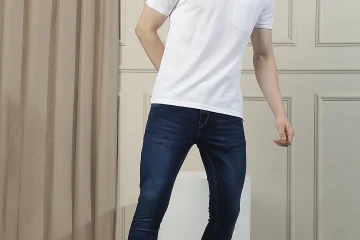
Spend ten minutes people-watching in any major American city and a clear pattern emerges: the best-dressed people on the sidewalk are rarely covered in luxury logos. More often, they are wearing simple, accessible clothes that fit cleanly, hang properly, and work together with quiet confidence. Meanwhile, plenty of expensive outfits miss the mark because the sleeves are too long, the fabric is wrinkled, or the proportions clash.
Looking stylish has far less to do with how much money leaves your bank account and far more to do with judgment. Price tags do not guarantee good taste, and tight budgets do not condemn anyone to dull clothes. By paying closer attention to fit, fabric tags, color harmony, secondhand hunting, and simple garment care, you can build a sharp, reliable wardrobe at a fraction of standard retail prices.
Prioritize Fit Over the Price Tag
If there is one rule that separates polished budget outfits from sloppy ones, it is fit. A forty-dollar pair of trousers that sits smoothly at the waist and breaks cleanly at the ankle will look noticeably sharper than a three-hundred-dollar pair that bunches around the shoes or gaps at the back waistband.
When shopping at affordable retailers, check the parts of a garment that are expensive or impossible to fix later—most importantly, the shoulders and rise. On jackets, blazers, and button-down shirts, the shoulder seam should land right at the edge of your natural shoulder bone unless the piece is intentionally cut oversized. On pants, make sure the seat and thigh area drape smoothly without pulling horizontally across the fabric.
Once the core proportions are right, factor minor tailoring into your budget. Many shoppers avoid local tailors because they assume alterations are only for wedding gowns and formal suits. In reality, taking up a hem on trousers or jeans typically costs fifteen to twenty-five dollars, and nipping in the waist of a thrifted blazer costs far less than buying a designer equivalent.
You can even handle one of the highest-impact upgrades at home in ten minutes: swapping out cheap buttons. Inexpensive coats, cardigans, and blazers almost always give themselves away through glossy, thin plastic buttons. Replacing them with matte horn-look, tortoiseshell, or brushed metal buttons from a local craft store instantly transforms a budget layer into something that looks twice its actual price.
Lean on Monochrome and Tonal Color Schemes
Bold prints, neon dyes, and complicated color blocking are notoriously difficult to execute well on a tight budget. Inexpensive printed fabrics often fade unevenly in the wash, repeat awkwardly across seams, or date quickly after a single season.
Monochrome and tonal dressing sidesteps those pitfalls effortlessly. Wearing one color from head to toe—or layering slightly different shades within the same color family, such as ivory, oatmeal, and warm camel, or charcoal, heather gray, and black—creates an unbroken vertical line that reads immediately as refined and intentional.
To keep affordable monochrome outfits from looking flat, mix textures rather than relying on bright colors. Pair a ribbed cotton sweater with smooth twill trousers and a pebble-grain faux-leather belt, or wear crisp denim alongside a soft brushed knit in a matching shade of navy.
Building your closet around a tight core palette of three or four neutrals plus two accent shades you genuinely love also stretches every dollar further. When eighty percent of your tops match eighty percent of your bottoms, twenty affordable pieces generate dozens of fresh outfits instead of leaving you with orphan garments that only pair with one specific skirt or jacket.
Read Fabric Labels Before Looking at Brand Names
Walking through an affordable clothing store with a trained eye means ignoring front-table displays and heading straight for the inside care tag. Two thirty-dollar sweaters hanging side by side can age in completely different ways depending on what fibers went into the yarn.
Look for natural fibers and dependable blends whenever possible. Mid-weight 100 percent cotton, cotton-linen blends, denim with minimal elastane (one to two percent stretch keeps its shape far better than overly stretchy jegging fabrics), Tencel, lyocell, and wool blends drape cleanly and hold up over years of washing. Heavyweight cotton jersey t-shirts look crisp and structured, whereas tissue-thin knits twist at the side seams and develop tiny pinholes after three trips through the dryer.
Be cautious with thin, overly shiny polyester and fluffy acrylic knits. While modern technical synthetics have their place in activewear and rain gear, low-grade shiny polyester reflects overhead lighting harshly and traps odor, while cheap acrylic begins fuzzing and pilling almost immediately under the arms.
Do a quick construction check before heading to the register too. Tug gently along a side seam to ensure stitching stays tight without gaping, check that zippers glide smoothly without catching excess fabric, and look at striped or plaid garments to see whether the pattern lines up reasonably well along the seams. Taking thirty seconds to inspect construction weeds out disposable pieces before they ever reach your closet.
Practical Strategies That Stretch Every Clothing Dollar
Smart styling habits go even further when paired with deliberate shopping routines. Instead of reacting to flash-sale emails on a Friday night, approach clothing purchases with a calm plan.
Shop Secondhand With a Clear Target List
Thrift stores, neighborhood consignment shops, and online resale platforms have transformed budget fashion. Rather than settling for lower-quality new garments made purely to hit a low retail price, secondhand shopping lets you buy well-constructed pieces from heritage and mid-tier brands for twenty to forty percent of their original cost.
The key to avoiding secondhand overwhelm is shopping with specific filters. Skip digging randomly through crowded racks of worn-out fast-fashion tees. Instead, head straight for high-value categories that last for decades: tailored wool coats, structured blazers, genuine leather belts and bags, vintage denim, and cashmere or merino sweaters.
When shopping resale online, know your exact flat-lay measurements—chest width pit-to-pit, waist, inseam, and shoulder width—rather than relying on tag sizes, which vary wildly across brands and decades. Measure your favorite well-fitting jeans and jacket at home once, save the numbers in a note on your phone, and compare listings directly against those dimensions. In physical thrift stores, inspect underarms, collar edges, cuffs, and bottom hems under bright light for faint discoloration or moth pinholes before buying.
Measure Cost Per Wear Instead of Discount Percentages
A red clearance sticker is one of the sneakiest traps in retail. Buying a flashy discounted jacket marked down from one hundred dollars to thirty feels like a smart win—until it sits untouched in your closet for two years because it clashes with your everyday shoes. Thirty dollars divided by one wear equals thirty dollars per wear. Meanwhile, a sixty-dollar pair of sturdy dark jeans you wear twice a week all year costs less than sixty cents per wear.
Before buying anything on sale, ask one honest question: “Would I still want this piece if it were not marked down?” If the answer is no, leave it on the rack. For non-essential purchases, enforce a simple 48-hour waiting rule. Close the browser tab or walk out of the store and revisit the item two days later. More often than not, the initial rush fades, saving your money for pieces you will actually wear into the ground.
Timing seasonal purchases strategically saves money on staples as well. Shopping for winter outerwear in late February or early March—and picking up linen shirts, sandals, and summer dresses in late August—lets you grab timeless items during end-of-season markdowns rather than paying peak prices when the weather first shifts.
Restyle What You Already Own First
Some of the best fashion upgrades cost nothing at all. Most people wear the same shirt and pants the exact same way every time, missing simple proportion tweaks that instantly sharpen an ordinary look.
Try experimenting with a few zero-cost styling adjustments:
-
Play with tucks and sleeves: Doing a clean half-tuck at the front waistband defines your waist without feeling stiff, and pushing blazer or button-down sleeves neatly to mid-forearm exposes the wrist and makes boxy tops look immediately more relaxed and intentional.
-
Layer creatively: Drape a lightweight crewneck sweater casually over your shoulders on chilly mornings, layer a crisp white tee underneath a slip dress or V-neck vest, or wear an unbuttoned oversized cotton shirt open over a fitted tank and trousers as a breezy warm-weather third piece.
-
Host a small closet swap: Invite four or five friends with varied tastes to bring five freshly laundered, good-condition items they no longer reach for. Everyone goes home with “new” clothes, zero money changes hands, and leftover pieces can go straight to a local donation center.
Everyday Garment Care That Makes Budget Pieces Look Upscale
Even an affordable cotton shirt and simple trousers look remarkably crisp when they are spotless, wrinkle-free, and structurally sound. Conversely, lint-covered black pants, heavily pilled sleeves, and scuffed shoe toes drag down an outfit regardless of what the label says inside the collar.
Invest in three inexpensive maintenance tools that pay for themselves many times over: a handheld garment steamer, a battery-powered fabric shaver or sweater comb, and a sturdy lint roller or clothes brush. Spending sixty seconds steaming creases out of a cotton blouse or shaving fuzz off the cuffs of a thirty-dollar knit sweater restores a fresh-off-the-rack finish immediately.
Protect your clothes in the laundry room too. Wash most everyday garments in cold water to preserve deep dark colors and prevent shrinking, fasten zippers and turn denim inside out to protect surface dye, and skip the high-heat dryer for knits, structured pants, and elastic waistbands. Line-drying or laying sweaters flat to dry easily doubles the lifespan of budget fabrics. Give everyday footwear five seconds of care as well—wiping down white sneaker midsoles with a damp cloth and touching up dark leather scuffs with matching shoe cream keeps your entire outfit grounded and sharp.
Know Where to Save and Where to Invest Slightly More
A smart budget does not mean buying the cheapest version of every single item in your closet. It means directing your limited funds toward the pieces that anchor your entire silhouette and absorb the hardest daily wear.
Save freely on simple cotton crewnecks, ribbed tank tops, layering camisoles, seasonal trend colors, casual shorts, and fun costume jewelry. These items experience frequent washing or shifting tastes, and affordable retailers make excellent versions that look identical to luxury counterparts once worn.
Spend slightly more—or prioritize quality secondhand finds— on four workhorse categories: everyday footwear, structured outerwear, a dependable work or daily bag, and classic leather belts. Shoes and coats frame every single outfit from top to bottom. A clean, comfortable pair of leather loafers, a well-cut trench or wool overcoat, and a structured bag that holds its shape instantly elevate the twenty-dollar t-shirt and simple jeans worn underneath them.
Looking put together on a modest budget is never about chasing perfection or tricking people into thinking your clothes cost a fortune. It comes down to slowing down at the rack, respecting clean fit, taking care of the pieces hanging in your closet, and dressing with clear personal intent. Once you master those fundamentals, every dollar you spend works twice as hard—and getting dressed feels just as rewarding as walking out of a high-end boutique.