Boutique: A Complete Guide to Style, Craft, and Personalized Fashion
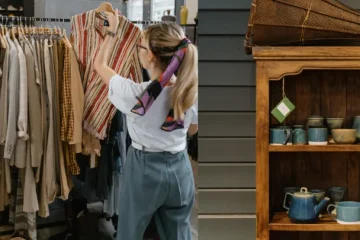
A boutique is more than just a retail space—it represents individuality, craftsmanship, and a carefully curated approach to fashion or lifestyle products. Unlike large chain stores, boutiques focus on offering distinctive items, personalized service, and a memorable shopping experience that resonates with customers on a deeper level.
What Is a Boutique?
A boutique is typically a small to medium-sized retail shop that specializes in unique products. Most boutiques emphasize quality over quantity, featuring limited collections that are thoughtfully selected or designed.
Key characteristics include:
-
Exclusive merchandise not found in mass-market stores
-
Personalized customer service
-
A strong focus on aesthetic presentation and brand identity
Types of Boutiques
Boutiques exist across many niches, each catering to specific tastes and needs.
Fashion Boutiques
These are the most common and specialize in:
-
Women’s, men’s, or children’s clothing
-
Designer wear or handmade apparel
-
Accessories such as bags, shoes, and jewelry
Lifestyle and Concept Boutiques
These boutiques blend fashion with décor and lifestyle products, offering:
-
Home décor items
-
Candles, art pieces, and stationery
-
Wellness and self-care products
Bridal and Occasion Boutiques
Focused on special events, they often provide:
-
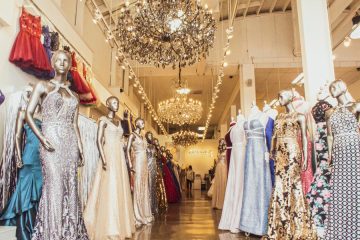
Bridal gowns and bridesmaid dresses
-
Custom fittings and alterations
-
Formal and evening wear
Why Boutiques Stand Out
Boutiques have carved a loyal customer base by delivering value that goes beyond products.
Personal Connection
Boutique owners and staff often build strong relationships with customers, offering styling advice and customized recommendations.
Unique Collections
Most boutiques stock limited-edition or handcrafted items, reducing the chances of customers seeing the same outfit everywhere.
Support for Local Designers
Many boutiques collaborate with:
-
Independent designers
-
Local artisans
-
Sustainable and ethical brands
The Role of Design and Ambience
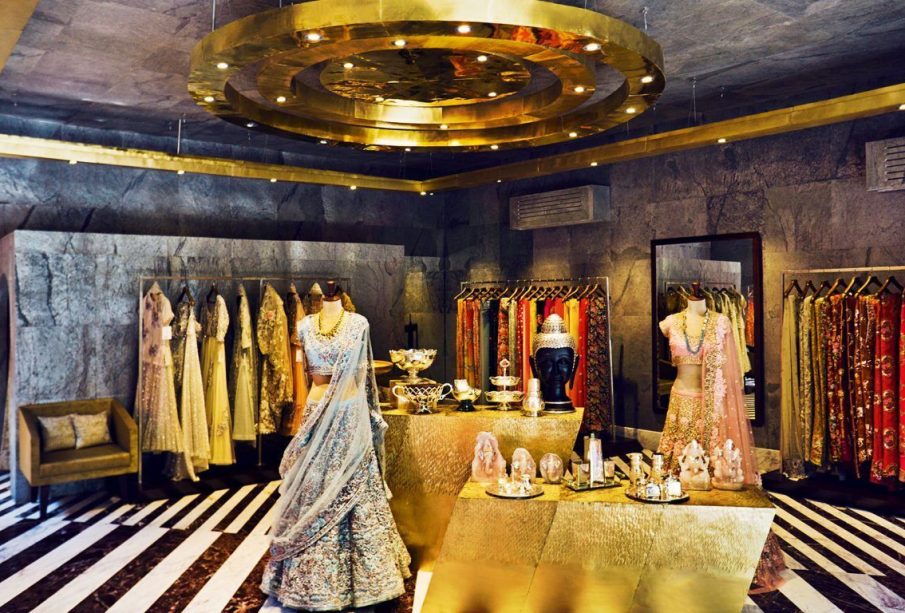
A boutique’s atmosphere plays a crucial role in shaping the shopping experience.
Important design elements include:
-
Carefully planned store layout
-
Warm lighting and inviting colors
-
Visual merchandising that tells a story
A well-designed boutique encourages customers to linger, explore, and connect emotionally with the brand.
Boutique vs. Retail Chain Stores
Understanding the difference helps shoppers appreciate the boutique experience.
Boutique Stores
-
Smaller inventory
-
Curated, unique products
-
High-touch customer service
Retail Chain Stores
-
Mass-produced items
-
Standardized layouts
-
Focus on volume and scalability
Both serve different purposes, but boutiques thrive on exclusivity and personalization.
Starting or Supporting a Boutique
Whether you’re opening one or shopping from one, boutiques rely heavily on community support.
For owners:
-
Focus on a clear niche and brand identity
-
Invest in customer experience
-
Maintain consistent quality and storytelling
For customers:
-
Explore new styles confidently
-
Support small businesses
-
Enjoy a more meaningful shopping journey
The Future of Boutiques
With the rise of online shopping, boutiques are evolving by:
-
Offering online storefronts
-
Using social media for storytelling
-
Hosting pop-ups and private shopping events
Their adaptability ensures boutiques remain relevant in a competitive retail landscape.
Frequently Asked Questions (FAQs)
1. What makes a boutique different from a regular clothing store?
Boutiques focus on curated collections, personalized service, and unique items rather than mass-produced inventory.
2. Are boutique products usually more expensive?
Prices may be higher due to quality, limited production, or handcrafted designs, but they often provide better value and longevity.
3. Do boutiques only sell clothing?
No, many boutiques also sell accessories, home décor, beauty products, and lifestyle items.
4. Can boutiques operate online only?
Yes, many modern boutiques function exclusively online while maintaining the same curated and personalized approach.
5. Are boutiques suitable for budget shoppers?
Some boutiques offer affordable ranges, sales, or locally made items at competitive prices.
6. How do boutiques source their products?
Products are often sourced from independent designers, wholesalers, or created in-house.
7. Why are boutiques important for local economies?
They support local artisans, create jobs, and contribute to the unique character of communities.