7 Visual Merchandising Secrets That Drive Boutique Sales
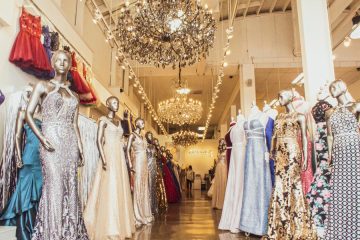
Independent boutiques face a constant battle against online retail giants and massive fast fashion chains. While online shopping offers convenience, physical stores possess a sensory advantage that digital platforms cannot replicate. Walking into a boutique should feel like entering an immersive world where every fixture, garment, and shadow works together to tell a story. When executed correctly, visual merchandising acts as a silent salesperson, guiding shoppers through the space and turning casual browsers into loyal buyers.
Mastering store design requires an understanding of human psychology, spatial awareness, and aesthetic balance. Store owners often focus solely on the merchandise itself, forgetting that the context in which a product is presented determines its perceived value. By strategically manipulating sightlines, lighting, and layout, retailers can dramatically increase average transaction values and overall revenue. The following seven visual merchandising secrets reveal how successful boutiques optimize their physical spaces to drive continuous sales.
1. The Power of the Decompression Zone
The moment a customer steps through the front door, they enter the decompression zone. This transition area typically spans the first five to fifteen feet of the store space. During this crucial window, shoppers are adjusting to the indoor lighting, ambient sound, and overall atmosphere of the boutique.
-
Avoid Clutter: Never place merchandise, impulse racks, or promotional signs directly inside the threshold. Customers need physical and visual breathing room to transition from the outside world into the shopping mindset.
-
Establish a Hero Display: Position your strongest, most visually striking seasonal display just beyond the decompression zone. This acts as a visual anchor that draws the eye forward and pulls shoppers deeper into the store environment.
-
Set the Mood: Use this initial space to introduce signature scents and carefully curated background music that aligns with your brand identity, engaging multiple senses simultaneously.
2. Leveraging the Right-Wall Rule
Human behavior inside retail spaces follows predictable patterns, and understanding these patterns allows merchants to place high-margin inventory precisely where it will receive maximum visibility.
Research shows that the vast majority of shoppers turn right upon entering a store. This psychological phenomenon makes the right-hand wall the premier real estate in any boutique. Retailers should reserve this wall for new arrivals, high-ticket items, or tightly edited trend collections that capture immediate attention. Conversely, the left side of the store is often underutilized or approached with lower initial engagement, making it ideal for staple items, basics, or clearance sections that customers actively seek out.
3. Creating Triangles in Product Displays
When arranging garments, accessories, or tabletop items, avoiding symmetry creates a dynamic visual flow that keeps the human eye moving across the display. The secret weapon of top-tier merchandisers is the rule of triangles.
Arranging items in asymmetrical triangular formations prevents displays from feeling static or boring. The tallest item should sit at the apex of the imaginary triangle, with descending heights and varying textures filling out the base. This technique works equally well on garment racks, shelving units, and window displays. By varying heights and depths, you create focal points that invite closer inspection and encourage touch.
4. Layering Lighting to Elevate Perceived Value
Lighting can make a fifty dollar blouse look like a luxury investment or a cheap bargain bin item. Flat, harsh overhead fluorescent lighting drains color from fabrics and highlights interior flaws. Successful boutiques use a layered lighting strategy consisting of ambient, accent, and task illumination.
-
Accent Lighting: Use track spotlights to highlight key merchandise tables, window features, and feature walls. Directional lighting creates contrast, drama, and shadows that give products a three-dimensional appeal.
-
Color Rendering: Invest in bulbs with a high color rendering index to ensure that clothing colors appear accurate and vibrant to the human eye, reducing the likelihood of customer returns due to color mismatch.
-
Fitting Room Glow: Fitting room lighting requires special attention. Position soft, flattering side sconces rather than harsh overhead lights to make shoppers feel confident and comfortable while trying on clothes.
5. Harnessing the Rule of Three and Odd Numbers
The human brain naturally groups visual information, and odd numbers create a subconscious sense of harmony and intrigue. Grouping products in threes or fives forces the eye to wander across the display rather than resting on a single focal point.
Whether styling a mannequin trio, grouping handbags on a shelf, or hanging denim styles, odd-numbered groupings prevent visual monotony. This merchandising trick creates a balanced yet relaxed aesthetic that feels curated rather than manufactured, making the products appear more exclusive and desirable.
6. Keeping Sightlines Clear and Open
Floor layout dictates customer circulation. If sightlines are blocked by towering racks or poorly placed fixtures, shoppers will experience anxiety and leave the store prematurely.
Maintain low fixture heights in the center of the sales floor and keep perimeter walls clear and accessible. A customer standing at the front entrance should be able to scan the entire boutique and spot destination categories like shoes, jewelry, or the cash wrap counter. Clear sightlines foster a sense of discovery, allowing shoppers to navigate the space intuitively without feeling trapped or overwhelmed.
7. Crafting a Seamless Cash Wrap Experience
The checkout area represents the final touchpoint of the physical shopping journey, yet many boutiques treat it as an afterthought cluttered with stray hangers and paperwork. Transforming the cash wrap into a strategic sales zone maximizes last-minute impulse purchases.
Keep the counter clean, organized, and visually appealing. Position low-ticket, high-margin impulse items such as candles, lip balms, specialized jewelry, or branded tote bags near the register where customers wait. Furthermore, ensure the cash wrap design matches the overall interior aesthetic so the customer experience remains cohesive until the final transaction is complete.
Frequently Asked Questions
How often should a boutique update its window displays?
Window displays should ideally change every two to three weeks to capture the attention of regular foot traffic and reflect new arrivals, seasonal shifts, or upcoming holidays.
What is the best way to handle cluttered inventory on the sales floor?
Adhere to the less is more philosophy. Restocking every single item from the stockroom onto the sales floor overwhelms shoppers. Keep inventory lean on display and replenish items as they sell.
How can small boutiques compete with large department store displays?
Small boutiques have the advantage of agility. They can tell hyper-specific localized stories, experiment with bold creative concepts, and change layouts rapidly without corporate bureaucracy.
What role does color psychology play in apparel merchandising?
Color dictates emotional response. Warm colors like red and orange create urgency and draw attention from a distance, while cool tones like blue and green evoke calm, encouraging slower, more deliberate browsing.
How do I know if my store layout is performing well?
Track customer dwell time and conversion rates. If shoppers walk in and leave within two minutes without exploring the back of the store, your sightlines or decompression zone require adjustment.
Can signage improve visual merchandising or does it distract?
Strategic signage enhances the experience by explaining promotions or highlighting brand values. However, excessive or handwritten amateur signs cheapen the aesthetic and distract from the merchandise.
What are the best fixtures for displaying folded garments?
Mid-height wooden tables and acrylic shelf dividers work best. They allow customers to touch and unfold garments easily while keeping stacks neat and structurally sound.