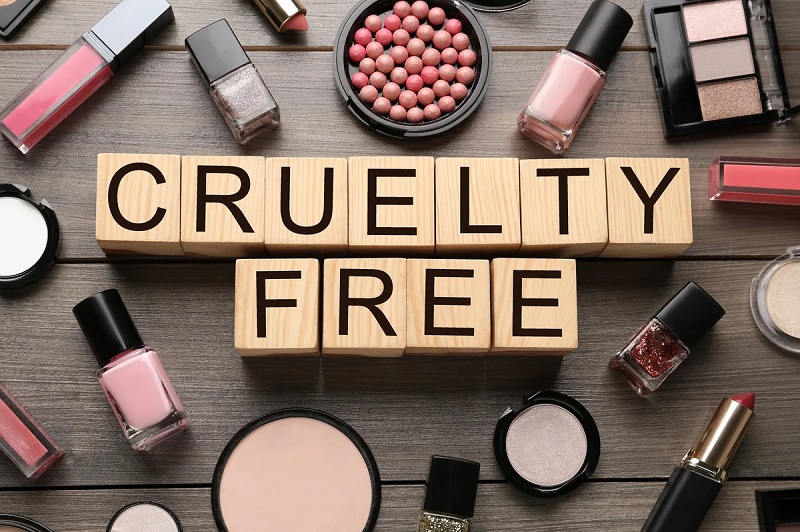
Not long ago, building a cruelty-free makeup bag felt like an exercise in compromise. Your options lived on a single dusty shelf at the back of a health-food store, foundations came in four chalky shades, and waterproof mascara was practically a rumor. Choosing cosmetics not tested on animals meant giving up long-wear formulas, rich pigment, and easy drugstore access.
That era is completely over. Today, cruelty-free cosmetics occupy every corner of the beauty aisle, from ten-dollar drugstore staples to high-performance prestige palettes. Making the switch no longer asks you to trade away shade range, wear time, or skincare results. Instead, it gives you a straightforward way to upgrade the ethics, transparency, and modern safety science behind the products you put on your face every morning.
What Cruelty-Free Actually Means (and What It Does Not)
Before exploring the benefits, it helps to clear up two labels shoppers mix up constantly: cruelty-free and vegan. They often appear side by side on packaging, yet they describe completely different standards.
A cruelty-free product means neither the finished formula nor its individual ingredients were tested on animals at any stage of development, either by the brand itself or by outside laboratories hired on its behalf. A vegan product contains zero animal-derived ingredients—meaning no beeswax in your lip balm, no carmine crushed from insects for red blush pigment, no lanolin from sheep’s wool in thick night creams, and no animal-derived collagen or keratin.
Because the two terms measure different things, a lipstick can be cruelty-free while still containing beeswax, and a shampoo made entirely from plant ingredients can still be tested on animals if the company sells in regions requiring animal testing. Knowing that distinction lets you shop accurately for what actually matters to you.
It is also worth knowing that in the United States, the phrase “cruelty-free” carries no strict legal definition on cosmetic labels. A company can print an illustrated bunny on a mascara tube even if its ingredient suppliers still test on animals behind the scenes. Understanding how real verification works—which we will break down shortly—ensures the benefits you expect are genuinely built into the products you buy.
Core Benefits of Switching to Cruelty-Free Cosmetics
Choosing cruelty-free makeup and skincare pays off well beyond feeling better about your shopping cart. The shift affects how products are formulated, how safety is validated, and how brands behave across the entire beauty industry.
Removing Unnecessary Animal Testing From Your Daily Routine
The most direct benefit is the simplest one: your everyday moisturizer, foundation, and eyeliner do not require lab animals to endure chemical irritation tests. Historically, cosmetic testing involved applying concentrated ingredients to the shaved skin or eyes of rabbits, mice, and guinea pigs to measure redness, swelling, or toxicity.
Even though thousands of cosmetic ingredients already have decades of established human safety data behind them, legacy animal testing still persists among certain multinational companies and ingredient suppliers. Every time you replace an everyday staple with a verified cruelty-free alternative, you withdraw financial support from outdated testing pipelines and reinforce market demand for humane standards. Cosmetics is one of the few consumer industries where everyday shopper habits have visibly pushed major corporations to rethink decades-old policies.
Relying on More Modern, Human-Relevant Safety Science
A common myth about cruelty-free cosmetics is that skipping animal testing somehow makes a product less safe for your skin. In reality, cruelty-free does not mean untested—it means tested using modern science built around human biology rather than animal physiology.
Rabbit skin and mouse metabolism respond very differently to cosmetic compounds than human skin does, which historically led to plenty of misleading results in both directions. Today, verified cruelty-free brands rely on a combination of advanced methods:
-
Reconstructed human tissue models: Lab-grown human epidermis and corneal tissues allow toxicologists to observe how a formula behaves on real human cells without harming a living creature.
-
Computer modeling: Predictive software analyzes the molecular structure of new compounds against massive existing safety databases to flag potential irritants before a formula ever reaches a bottle.
-
Clinical patch testing with human volunteers: Finished skincare and makeup formulas undergo dermatologist-supervised testing on consenting adult panels to verify tolerance, stability, and allergic potential.
-
Established safe ingredient libraries: Formulators can pull from tens of thousands of thoroughly studied, proven-safe cosmetic ingredients that require no new toxicity testing at all.
For consumers, this shift is quietly reassuring. Products validated on actual human cell models and human volunteer panels align much more closely with how your own skin reacts at home.
Greater Ingredient Transparency and Thoughtful Formulation
It pays to stay honest here: a cruelty-free label does not automatically guarantee that a serum is organic, fragrance-free, or impossible to react to. Natural essential oils, strong botanical extracts, and certain synthetic pigments can irritate sensitive skin regardless of testing policies.
Even so, there is a strong practical overlap between ethical testing commitments and higher overall brand transparency. Achieving strict cruelty-free certification requires a company to audit its entire supply chain, verify documentation from every raw-material vendor, and maintain open records of how each ingredient is sourced. Brands willing to put in that behind-the-scenes work are far more likely to publish full, plain-English ingredient lists, disclose fragrance allergens clearly, and avoid questionable legacy preservatives or heavy filler oils.
For anyone dealing with reactive skin, rosacea, or breakouts, shopping from transparent brands makes troubleshooting infinitely easier. When a company tells you exactly what is inside the bottle and why it is there, you spend less money guessing which mystery ingredient caused a flare-up.
Stronger Alignment With Broader Sustainability Practices
Cruelty-free standards frequently sit alongside wider environmental awareness. Many modern cruelty-free beauty brands were built from the ground up with conscious consumers in mind, rather than trying to retrofit century-old manufacturing habits.
As a result, browsing cruelty-free aisles often leads you straight to refillable compact systems, post-consumer recycled glass and aluminum packaging, concentrated waterless formulas, and responsibly sourced mica. Not every cruelty-free company is an environmental saint, and packaging claims always deserve a quick second look, yet the odds of finding brands actively reducing single-use plastic waste are noticeably higher within the cruelty-free space.
Zero Compromise on Performance, Shade Range, or Price
Perhaps the biggest surprise for people making the switch today is how effortless the product quality has become. Many of the most innovative brands in modern beauty—the ones leading on inclusive 40-shade foundation lines, transfer-proof liquid lipsticks, skin-barrier serums, and silky cream blushes—are fully cruelty-free.
Better still, cruelty-free shopping is no longer reserved for luxury budgets. Some of the highest-rated brow gels, concealers, gentle daily cleansers, and lip oils sitting in neighborhood pharmacies and big-box retailers carry respected cruelty-free credentials at everyday prices. Building an ethical vanity can actually save you money once you discover how well affordable, verified lines perform.
How to Spot Genuine Cruelty-Free Brands Without Getting Misled
Because marketing language around ethical beauty can get blurry fast, knowing how to verify a brand takes the guesswork out of shopping.
Start by looking past generic “not tested on animals” text or stylized rabbit drawings designed in-house. Instead, look for recognized third-party certifications—most notably the Leaping Bunny logo. To earn Leaping Bunny certification, a company must prove that neither it nor its ingredient suppliers conduct animal testing anywhere in the supply chain, submit to independent audits, and renew its commitment regularly. PETA’s Global Beauty Without Bunnies program is another widely used directory that also distinguishes between cruelty-free brands and brands that are both cruelty-free and fully vegan.
When a brand is not formally certified—some smaller indie lines skip certification fees even while maintaining clean practices—check its FAQ page for vague loopholes. Watch out for phrases like “We do not test on animals, except where required by law.” That single qualifier usually means the company sells products in foreign markets where local regulations can mandate animal testing before or after a product hits store shelves. While regulations around imported general cosmetics in countries like mainland China have loosened in recent years for brands meeting specific manufacturing exemptions, special-use products such as sunscreens, hair dyes, and anti-aging treatments still carry complex testing requirements. Truly committed cruelty-free brands decline to enter markets where mandatory testing remains a risk.
You will also run into the question of parent companies. Several genuinely cruelty-free makeup and skincare lines are owned by massive parent conglomerates that still test other brands in their portfolio on animals. Consumers fall cleanly on both sides of this issue. Some shoppers happily buy from the cruelty-free subsidiary to show the parent corporation that ethical lines drive profits; others prefer supporting fully independent brands whose revenue never feeds into a non-cruelty-free conglomerate. Decide where your personal comfort line sits early on so you are not second-guessing yourself in the middle of an aisle.
How to Transition Your Beauty Collection Without Waste
Once you decide to go cruelty-free, resist the urge to sweep your entire vanity into a trash bag on a Saturday afternoon. Throwing away half-full bottles of foundation, cleanser, or eyeshadow you already paid for does not undo past testing—it only wastes your money and adds unnecessary plastic to a landfill.
A calmer, smarter approach is the one-for-one swap:
-
Finish what you currently own. Use up your existing products first, taking mental notes on what you love about their texture, finish, and coverage so you know what to look for in a replacement.
-
Start with high-turnover essentials. Mascara, facial cleanser, daily moisturizer, lip balm, and brow pencil run out every couple of months, giving you easy early wins without a huge upfront cost.
-
Bookmark a short personal shortlist. Keep a note on your phone listing five or six verified cruelty-free brands you genuinely love across skincare, complexion, and color cosmetics. When your concealer runs dry, replacing it takes two minutes instead of an hour of label research.
-
Check individual formulas if you want vegan options too. If avoiding beeswax, carmine, or lanolin matters alongside avoiding animal testing, scan the ingredient label or look for brands that clearly flag their vegan items on product pages.
Over the course of six to twelve months, your entire beauty routine will shift organically without financial strain or cluttered drawers full of regret purchases.
Curating a cruelty-free beauty collection is ultimately about bringing your daily habits in line with modern standards. You get formulas backed by human-relevant testing science, clearer insight into what touches your skin, and the exact same pigment, glow, and staying power you expect from your favorite products—all while quietly casting a vote for a kinder, smarter beauty industry every time you restock your shelf.