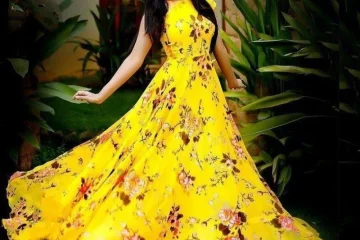
Dress: A Timeless Expression of Style, Culture, and Identity
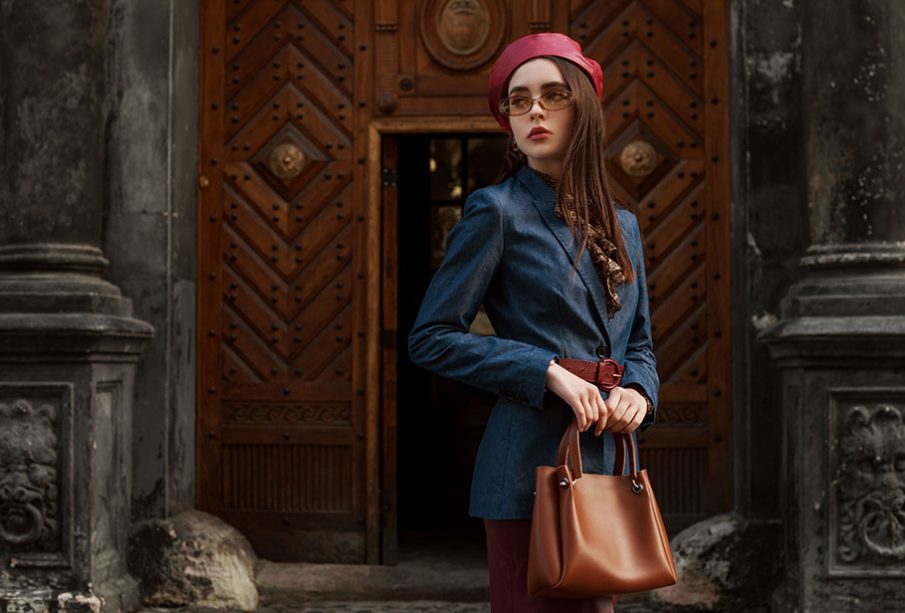
A dress is more than a piece of clothing—it is a reflection of personality, tradition, and changing fashion sensibilities. From everyday casual wear to elegant formal attire, dresses have evolved across centuries while maintaining their essential role in wardrobes around the world. Today, they balance comfort, aesthetics, and cultural significance in ways few garments can.
The Evolution of Dresses Through History
Dresses have existed in some form since ancient civilizations. Early garments were simple draped fabrics, designed more for practicality than style. Over time, craftsmanship, textiles, and tailoring transformed dresses into symbols of status and creativity.
Key historical influences include:
- Ancient eras, where dresses were loose and functional
- Medieval periods, emphasizing layers and modesty
- Renaissance and Victorian times, known for structure and ornamentation
- Modern fashion, focusing on versatility, comfort, and self-expression
Each era left its mark, shaping how dresses are worn and perceived today.
Types of Dresses and Their Purpose
Dresses come in countless styles, each designed for specific occasions and preferences. Choosing the right type depends on lifestyle, body shape, and the setting.
Common Dress Categories
- Casual dresses – Ideal for daily wear, offering comfort and ease
- Formal dresses – Designed for events, featuring refined cuts and fabrics
- Party dresses – Trend-focused styles that highlight individuality
- Traditional dresses – Rooted in culture and heritage
- Work dresses – Balanced designs combining professionalism and style
Understanding these categories helps build a functional and stylish wardrobe.
Fabrics and Materials Used in Dresses
Fabric choice greatly influences how a dress feels and looks. Breathability, durability, and drape all matter when selecting the right material.
Popular dress fabrics include:
- Cotton for comfort and everyday use
- Silk for elegance and smooth texture
- Linen for warm climates and relaxed style
- Chiffon and georgette for flowy, lightweight designs
- Wool blends for cooler weather and structured looks
The right fabric enhances both appearance and wearability.
How Dresses Reflect Culture and Identity
Across the globe, dresses carry cultural meaning. Traditional designs often symbolize history, social values, and regional artistry. Colors, embroidery, and silhouettes can indicate marital status, celebrations, or ceremonial roles.
Even in contemporary fashion, dresses remain a powerful way to express:
- Personal style
- Cultural pride
- Social belonging
- Creative freedom
This blend of tradition and modernity keeps dresses relevant across generations.
Styling Tips for the Perfect Dress Look
Styling a dress is about balance and intention. Small details can elevate even the simplest design.
Helpful styling tips:
- Pair minimalist dresses with statement accessories
- Match footwear to the dress length and occasion
- Use layering, such as jackets or shawls, for versatility
- Choose colors that complement skin tone and season
Confidence is the most important element—when you feel good, the dress shines.
Sustainability and the Future of Dresses
Modern fashion is shifting toward sustainability, and dresses are no exception. Ethical production, eco-friendly fabrics, and timeless designs are gaining popularity. Investing in well-made dresses not only reduces waste but also ensures long-term value and style.
Frequently Asked Questions (FAQs)
1. What makes a dress suitable for all seasons?
A versatile dress uses breathable fabric, adaptable layering options, and neutral colors that work year-round.
2. How do I choose the right dress for my body type?
Focus on silhouettes that highlight your strengths and provide comfort rather than following trends blindly.
3. Are dresses appropriate for professional settings?
Yes, structured and modestly designed dresses are ideal for offices and formal workplaces.
4. How can I make a simple dress look more stylish?
Accessories, footwear, and layering can instantly elevate a simple dress.
5. What is the difference between casual and formal dresses?
Casual dresses prioritize comfort, while formal dresses focus on elegance, fabric quality, and refined cuts.
6. How should dresses be stored to maintain quality?
Store them in a cool, dry place, preferably hung or neatly folded, to avoid wrinkles and fabric damage.
7. Why are dresses considered timeless in fashion?
Their adaptability, cultural significance, and ability to evolve with trends make dresses enduring wardrobe staples.