Clean Beauty 101: Ingredients to Avoid in Your Makeup
The beauty industry has undergone a significant transformation over the last decade. Consumers are no longer satisfied with simply looking good; they want to know exactly what they are putting on their skin. This shift toward transparency has given rise to the clean beauty movement. At its core, clean beauty is about making informed decisions about the chemical composition of the products we use daily. Because your skin is your body largest organ, it absorbs a substantial portion of what you apply to it. Understanding the ingredient labels on your foundation, lipstick, and mascara is the first step toward building a healthier, more conscious beauty routine.
While the term clean beauty is not strictly regulated, most industry experts agree that it involves avoiding synthetic ingredients known to be toxic, irritating, or disruptive to your hormonal system. Navigating these long, complex chemical names on packaging can be daunting, but becoming familiar with a few key categories of concern will empower you to shop with confidence. This guide breaks down the essential ingredients you should avoid to maintain a safer and cleaner makeup collection.
1. Parabens
Parabens are perhaps the most well-known class of ingredients in the conversation regarding clean beauty. They have been used for decades as preservatives in various cosmetics to prevent the growth of bacteria, mold, and yeast. Common names you might find on labels include methylparaben, propylparaben, ethylparaben, and butylparaben. The primary concern surrounding parabens is their chemical structure, which allows them to mimic estrogen in the body. Because they act as endocrine disruptors, there is ongoing concern regarding their potential impact on hormonal health. Many leading clean beauty brands have successfully moved away from these preservatives, opting instead for safer, naturally derived alternatives that provide the same shelf-life stability without the associated risks.
2. Phthalates
Phthalates are a group of chemicals often used to make plastics more flexible and durable. In the beauty world, they are frequently found in fragrances, nail polishes, and hairsprays because they help scents linger longer and prevent formulas from becoming brittle. Phthalates are notorious for their role as plasticizers, and they are also classified as suspected endocrine disruptors. Research has linked prolonged exposure to these substances with various developmental and reproductive issues. Because phthalates are often hidden under the vague term fragrance on a label, they can be difficult to track. To avoid them, look for products labeled phthalate-free or those that use only essential oils for scent.
3. Synthetic Fragrances
The term fragrance or parfum on a beauty label is often described as a trade secret. Regulations allow companies to hide dozens, sometimes hundreds, of chemicals under this single umbrella term. These synthetic compounds are designed to provide a pleasant scent but can contain a cocktail of hidden ingredients, including phthalates, allergens, and sensitizers. For many individuals, synthetic fragrances are the leading cause of contact dermatitis and skin irritation. If you have sensitive skin or are prone to breakouts, eliminating synthetic fragrance is one of the most effective ways to calm your complexion. Opt for products that are fragrance-free or scented strictly with pure, natural botanical extracts.
4. Formaldehyde and Formaldehyde-Releasers
Formaldehyde is a known human carcinogen. While it is rarely listed directly on modern makeup labels, you will frequently encounter formaldehyde-releasers. These are preservatives that slowly break down over time to release small amounts of formaldehyde to kill bacteria. Common offenders include DMDM hydantoin, imidazolidinyl urea, and quaternium-15. These ingredients are found in everything from liquid eyeliners to foundations. Given the health risks associated with formaldehyde, it is best to scrutinize your ingredient list for these specific chemical names and choose brands that utilize safer, non-releasing preservation systems.
5. Sulfates
Sulfates, such as sodium lauryl sulfate and sodium laureth sulfate, are surfactants. They are responsible for the foaming and lathering action in many cleansers and some liquid makeup products. While they are very effective at cutting through oil and dirt, they are often too harsh for the delicate skin on your face. Sulfates can strip the skin of its natural moisture barrier, leading to dryness, redness, and irritation. By choosing sulfate-free alternatives, you ensure that your makeup removal process and skin preparation routines support your skin health rather than damaging it over time.
6. PEGs (Polyethylene Glycols)
Polyethylene glycols, or PEGs, are widely used in cosmetics as thickeners, solvents, and moisture-carriers. Their primary issue is not necessarily the PEGs themselves, but the potential for contamination during the manufacturing process. PEGs can become contaminated with 1,4-dioxane and ethylene oxide, both of which are considered carcinogenic and toxic. Because purity levels can vary significantly between manufacturers, many clean beauty advocates prefer to avoid PEGs altogether. If you are aiming for a high standard of safety, look for labels that explicitly state they are free from PEGs and ethoxylated ingredients.
7. Heavy Metals
Heavy metals like lead, mercury, and arsenic are sometimes found as impurities in mineral-based makeup. These metals are not typically added intentionally; rather, they are common contaminants in mineral ores such as mica, iron oxides, and titanium dioxide. While the amounts found in individual products are often small, there is concern regarding cumulative exposure over a lifetime of daily makeup use. Reputable clean beauty brands now subject their raw materials to rigorous testing to ensure heavy metal levels are as low as possible. When shopping, prioritize brands that are transparent about their supply chains and their commitment to third-party testing for metal contaminants.
8. Siloxanes
Siloxanes are a type of silicone commonly used in makeup to give products a smooth, silky texture and a waterproof finish. You can identify them on a label by names ending in -siloxane or -methicone, such as cyclomethicone or dimethicone. While silicones are generally considered non-toxic and non-comedogenic, they are environmentally persistent. They do not biodegrade easily and can accumulate in waterways. From a clean beauty perspective, many people choose to avoid siloxanes both for their environmental impact and because they can occasionally trap bacteria against the skin by creating a non-breathable film. Plant-derived oils and waxes often serve as effective, biodegradable alternatives that provide a similar smooth application.
9. Chemical Sunscreens
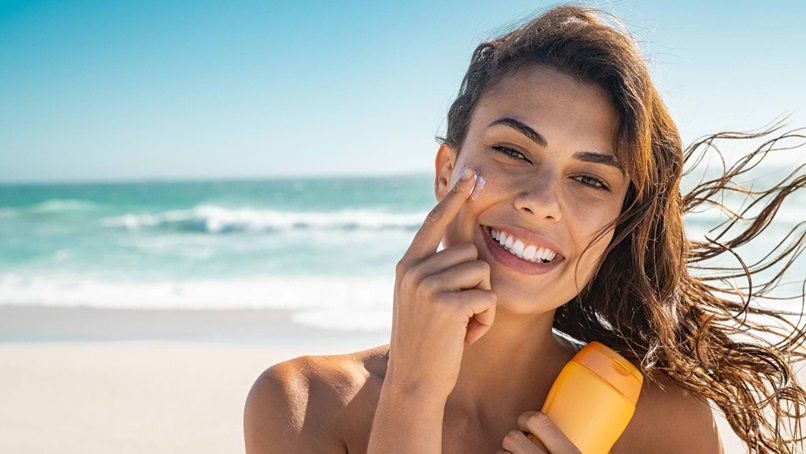
While sun protection is non-negotiable for skin health, the ingredients used to achieve that protection matter. Chemical sunscreen filters, such as oxybenzone and octinoxate, absorb ultraviolet light and convert it into heat. These chemicals are frequently linked to coral reef damage and potential hormone disruption in humans. In contrast, mineral sunscreens utilize zinc oxide or titanium dioxide, which sit on top of the skin and physically reflect radiation. Mineral options are widely considered the gold standard in clean beauty because they are less likely to cause irritation and do not rely on systemic absorption to function effectively.
Frequently Asked Questions
Is there a difference between clean beauty and natural beauty?
Yes, clean beauty focuses on ingredient safety and the avoidance of toxic or irritating compounds, whereas natural beauty focuses on using ingredients derived from plant or mineral sources. A product can be clean but contain synthetic, safe lab-made ingredients, or it can be natural but still contain ingredients that might cause allergies.
How can I verify if a product is truly clean?
Look for reputable third-party certifications, such as those from organizations that vet ingredient lists against strict safety standards. Additionally, check the brand website for a full ingredient glossary and evidence of transparency regarding their sourcing and testing procedures.
Can I finish my current makeup products if they contain these ingredients?
You do not have to discard your entire collection at once. A sustainable approach is to finish what you have and gradually replace each item with a cleaner alternative as you run out. This prevents unnecessary waste while moving toward a healthier routine.
Why is fragrance often hidden on ingredient labels?
Fragrance formulas are protected by trade secret laws, which allow companies to avoid disclosing the specific chemical components that create a scent. This is why products labeled as unscented or fragrance-free are generally safer than those labeled as having a natural scent, which may still contain synthetic additives.
Do mineral makeup brands always test for heavy metals?
Not all mineral brands conduct thorough testing. High-quality, transparent brands will often mention their commitment to testing for impurities like lead and arsenic. If a brand does not provide this information, it is worth reaching out to them directly for clarification.
Are silicone-free makeup products harder to apply?
Silicone-free products may have a slightly different feel and application, but modern clean formulations have improved significantly. Many brands now use botanical squalane, jojoba oil, or specialized plant waxes to achieve the same smooth, long-lasting application as traditional silicone-based products.
Should I avoid all preservatives in my makeup?
Preservatives are essential to keep your makeup free from bacteria and mold, which can be far more dangerous to your skin than properly vetted preservatives. The goal is to avoid toxic preservatives like parabens and formaldehyde-releasers, not to avoid preservation entirely.