Singapore’s Gym Wear Revolution: How Activewear Has Become an Everyday Fashion Statement in 2025
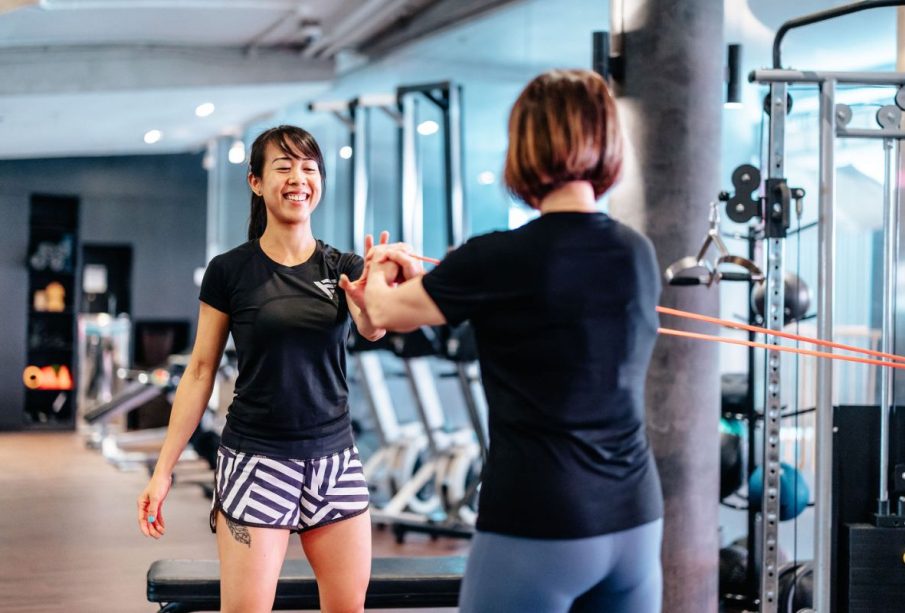
There was a time, not so long ago, when gym clothes in Singapore meant an old polytechnic shirt, a pair of cotton shorts that had seen better days, and running shoes that were more sentimental than functional. Fitness wear was purely functional, something you wore to sweat in and changed out of as quickly as possible. That era is definitively over. In 2025, what you wear to the gym in Singapore is as considered as what you wear to the office or a social occasion, and the line between gym wear and everyday fashion has blurred to the point where it is sometimes difficult to tell them apart.
This shift is not merely cosmetic. The rise of Singapore’s activewear culture reflects deeper changes in how people in this city relate to fitness, identity, wellness, and self-presentation. For the growing number of Singaporeans who have made the gym a central part of their lifestyle, choosing the right fitness gym Singapore environment is part of the same identity statement that choosing the right gym outfit represents.
How Athleisure Became a Cultural Force in Singapore
Athleisure, the category of clothing designed to be worn both during exercise and in everyday non-gym settings, has grown from a niche trend into one of the dominant clothing categories in Singapore’s retail landscape. Global brands that pioneered this category experienced extraordinary growth in Singapore over the past five years, driven by a confluence of factors that are particularly pronounced in this city.
Singapore’s climate plays a significant role. With temperatures consistently in the high 20s to low 30s throughout the year and humidity rarely dropping below 70 percent, lightweight, breathable, moisture-wicking fabrics are genuinely more comfortable than traditional casual wear in many daily situations. A well-designed pair of running shorts or training leggings made from performance fabric is, practically speaking, often more comfortable on a warm Singapore day than denim or structured trousers.
The hybrid work culture that has taken hold post-pandemic also contributed significantly. As more professionals in Singapore split their time between home offices, co-working spaces, and occasional in-office days, the rigid delineation between work attire and leisure wear softened. Gym sessions integrated into the workday, before a morning of calls, during a lunch break, or between afternoon appointments, created demand for clothing that could transition between contexts without requiring a full wardrobe change.
Social media has been the accelerant. Singapore’s fitness community on Instagram, TikTok, and YouTube has grown substantially, with local fitness influencers, gym personalities, and wellness content creators building large audiences and shaping aesthetic preferences around what gym culture should look like. Being well-dressed for a gym session, and capturing it visibly, has become a recognised form of self-expression and community participation.
The Performance-Fashion Intersection: Why It Matters Beyond Aesthetics
It would be easy to dismiss the gym wear revolution as purely superficial, a matter of vanity rather than substance. But the relationship between what you wear to train and how you actually train is more meaningful than that.
Research in behavioural psychology has explored the concept of “enclothed cognition,” the idea that the symbolic meaning and physical experience of wearing particular clothing influences psychological states and performance. Studies have shown that wearing clothing associated with athletic performance increases physical performance, focus, and confidence during exercise. When you put on well-fitted, high-quality training gear that you feel good in, you are more likely to approach your session with commitment and effort.
This is not a trivial observation in the context of Singapore’s gym culture. Gym members who invest in quality training attire often report a stronger sense of identity as someone who trains seriously, which reinforces the behavioural habits that lead to consistent attendance. The ritual of putting on your gym clothes becomes a psychological cue that primes you for physical effort, in the same way that putting on a suit primes many professionals for a particular mode of focused engagement.
What to Look for in Gym Wear for Singapore’s Climate
Not all activewear is created equal, and Singapore’s combination of heat, humidity, and air-conditioned indoor environments creates specific requirements that are worth understanding before investing in gym clothing.
Moisture management. This is the most critical performance characteristic for gym wear in Singapore. Fabrics should move sweat away from the skin quickly and allow it to evaporate, keeping you cool and dry during intense sessions. Look for moisture-wicking polyester, nylon, or blended performance fabrics. Avoid pure cotton for training, as it absorbs moisture and holds it against the skin, leading to discomfort and chafing during longer sessions.
Breathability and ventilation. Mesh panels, perforated fabrics, and open-knit structures in key sweat zones including the underarms, back, and sides significantly improve ventilation during high-intensity training. This is particularly important for Singapore gym-goers who move between air-conditioned gym environments and warm outdoor conditions on the same day.
Anti-odour treatment. Given Singapore’s heat, anti-microbial fabric treatments that inhibit the growth of odour-causing bacteria are genuinely useful rather than a marketing gimmick. Many premium activewear brands incorporate silver-based or plant-derived antimicrobial treatments into their performance fabrics.
Compression and support. Compression garments, including compression shorts, leggings, and tops, serve both functional and aesthetic purposes. Functionally, they support muscle engagement, reduce vibration during impact activities, and may modestly improve proprioception. For many gym-goers, the structured, streamlined appearance of compression wear is also an aesthetic preference that contributes to their overall confidence during training.
Fit for movement. Gym clothing must allow full range of motion in all planes. Squat in the shorts or leggings before purchasing. Raise your arms fully overhead in the top. Move through a hip hinge or a lunge. If the fabric pulls, rides up, or restricts movement in any of these positions, it is not suitable for training regardless of how good it looks hanging on a rack.
The Rise of Singapore’s Local Activewear Brands
One of the most interesting developments in Singapore’s gym wear landscape is the emergence of homegrown activewear brands that have built genuine followings in the local market. These brands understand Singapore’s climate, sizing preferences, and aesthetic sensibilities in ways that global brands sometimes do not.
Local activewear labels have carved out space by offering climate-appropriate fabrics in styles that resonate with Singapore’s multicultural aesthetic, providing sizing that is more inclusive of Asian body types than some international sizing charts, and building community through local fitness events, collaborations with Singapore-based trainers and studios, and social media content that reflects the actual texture of fitness life in this city.
For gym-goers who want to support local businesses while investing in quality training attire, exploring Singapore’s homegrown activewear scene alongside established international brands offers a genuinely strong range of options.
Gym Wear as Part of a Broader Wellness Identity
Perhaps the most culturally significant aspect of Singapore’s gym wear revolution is what it signals about the broader role that fitness has assumed in personal identity and social life here. The decision to wear activewear beyond the gym, to brunch, to the shopping centre, to a casual coffee meeting, is a statement about values and priorities.
Wearing gym wear in everyday contexts signals that fitness is not just an occasional activity but a consistent part of how you live. It signals an orientation toward health, energy, and physical wellbeing that has become an aspirational identity marker in Singapore’s urban professional class.
For businesses like True Fitness Singapore, this cultural shift is significant. Members who have built a genuine fitness identity, who think of themselves as people who train seriously and live actively, are more committed, longer-tenured, and more likely to engage fully with the facilities, programmes, and community the gym offers. Fashion and fitness, it turns out, are not as separate as they once seemed.
Caring for Your Activewear: Making Your Investment Last
Quality gym wear is an investment, and how you care for it determines how long it performs at its best.
Wash activewear in cold water, as hot water degrades elastic fibres and can break down moisture-wicking treatments over time. Turn garments inside out before washing to protect the outer surface and extend colour vibrancy. Avoid fabric softeners, which coat the fibres and reduce moisture-wicking performance. Air dry rather than tumble drying wherever possible, as heat is the primary cause of elasticity degradation in performance fabrics. Wash gym clothes promptly after use rather than leaving them in your gym bag, as prolonged exposure to sweat accelerates fabric breakdown and odour development.
FAQ
Q: How much should I budget for a quality gym wardrobe in Singapore?
A: A functional quality gym wardrobe does not require significant upfront investment if built gradually. A reasonable starting budget for three to four training outfits using mid-range quality activewear would be in the range of 150 to 300 Singapore dollars. This provides enough rotation for three to four weekly training sessions with proper washing cycles between uses. As older pieces wear out, they can be replaced individually with newer options as your preferences and needs evolve.
Q: Is there a meaningful performance difference between premium and mid-range activewear?
A: For most recreational gym-goers, the performance difference between mid-range and ultra-premium activewear is modest. The meaningful quality threshold is between low-quality fast-fashion gym wear, which often fails in moisture management and durability, and quality mid-range options from established activewear brands. Beyond that threshold, additional cost often reflects brand positioning, design investment, and exclusivity rather than meaningful functional improvement.
Q: Can I wear the same activewear for different types of training such as yoga, HIIT, and weight training?
A: It depends on the garment. High-quality leggings with four-way stretch and squat-proof fabric can work across yoga, HIIT, and weight training. However, shoes are highly type-specific and should not be cross-used, as running shoes are not designed for the lateral stability required in weight training, and vice versa. Similarly, very lightweight or minimal coverage tops designed for hot yoga may not provide adequate support for high-impact HIIT sessions.
Q: How do I prevent gym clothes from smelling even after washing?
A: This is a common issue with synthetic performance fabrics. The key is washing promptly after use, not using fabric softener, turning garments inside out, and occasionally soaking in a solution of white vinegar and cold water before washing to neutralise odour-causing bacteria embedded in the fibres. Allowing garments to dry fully before storing is equally important, as even slightly damp storage allows bacterial growth that causes persistent odour.
Q: Is it appropriate to wear gym clothes outside the gym in Singapore’s professional culture?
A: Context matters. In casual settings, shopping centres, weekend social occasions, and informal coffee catch-ups, activewear is broadly accepted and increasingly common in Singapore. For professional office environments, most workplaces still expect business or smart casual attire during working hours. The clearest signal that athleisure has genuinely arrived in Singapore is that it is now appropriate at a wide range of social occasions that would previously have expected more formal dress.