Why Boutique Fashion Appeals to Style-Conscious Modern Consumers
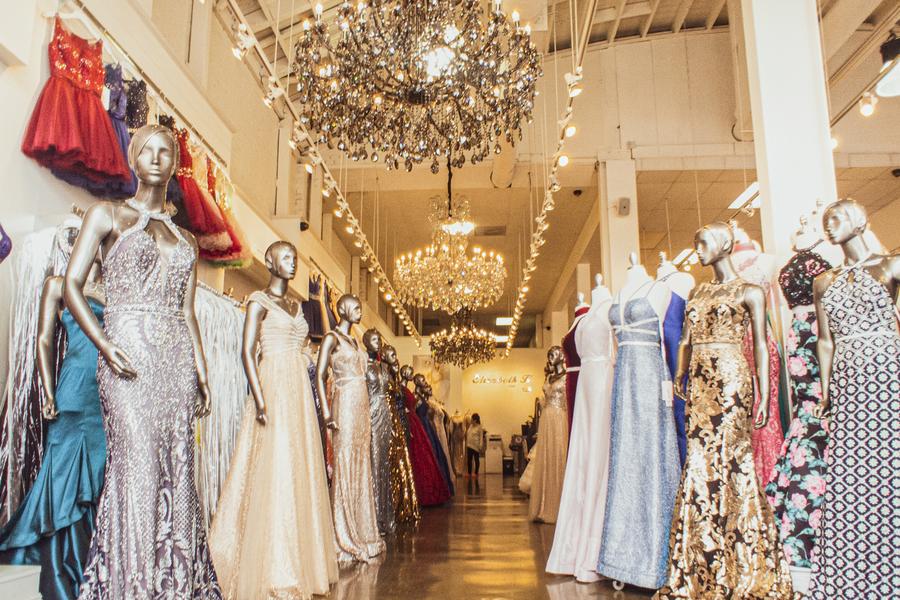
Boutique fashion has become a powerful choice for modern consumers who value individuality, quality, and meaningful style. As fashion trends shift away from mass production, boutiques offer a refreshing alternative that aligns with personal expression and conscious purchasing habits.
The Desire for Individual Style
Modern consumers are increasingly drawn to fashion that reflects who they are, not what everyone else is wearing.
Boutique fashion appeals because it offers:
-
Limited-edition designs rarely seen elsewhere
-
Curated collections with a clear aesthetic
-
Pieces that help wearers stand out confidently
Instead of following trends blindly, boutique shoppers enjoy crafting a wardrobe that feels personal and intentional.
Superior Quality and Craftsmanship
One of the strongest attractions of boutique fashion is its emphasis on quality over quantity.
Boutique clothing often features:
-
Premium fabrics and materials
-
Attention to stitching, fit, and finishing
-
Longer-lasting garments with timeless appeal
Style-conscious consumers recognize that well-made clothing enhances both appearance and comfort.
Personalized Shopping Experience
Boutiques prioritize human connection in a way large retailers often cannot.
This experience includes:
-
One-on-one styling advice
-
Thoughtful recommendations based on preferences
-
A welcoming, relaxed environment
For modern shoppers, fashion is not just about buying clothes—it’s about feeling understood and valued.
Ethical and Sustainable Fashion Choices
Many boutiques align with values that matter deeply to today’s consumers.
Common boutique practices include:
-
Supporting ethical production methods
-
Partnering with local or independent designers
-
Reducing waste through small-batch collections
Style-conscious buyers appreciate knowing their fashion choices contribute positively to the industry.
Carefully Curated Collections
Unlike fast-fashion stores that overwhelm shoppers with endless racks, boutiques focus on curation.
This results in:
-
Cohesive collections with a strong identity
-
Trend-forward yet wearable pieces
-
Easier decision-making for customers
Curated fashion saves time while maintaining a high level of style.
Aesthetic Ambience and Brand Storytelling
Boutiques are designed to inspire.
Key elements that enhance appeal include:
-
Elegant interiors and thoughtful layouts
-
Visual storytelling through displays
-
A clear brand voice and philosophy
Modern consumers enjoy shopping in spaces that feel creative, immersive, and emotionally engaging.
Confidence Through Exclusivity
Wearing boutique fashion often brings a sense of confidence.
Shoppers value:
-
Knowing their outfit is not mass-produced
-
Feeling unique at social or professional events
-
Expressing taste through distinctive fashion choices
Exclusivity enhances emotional connection to clothing.
Frequently Asked Questions (FAQs)
1. Is boutique fashion only for luxury shoppers?
No, many boutiques offer a wide range of prices, including affordable yet high-quality options.
2. How does boutique fashion differ from fast fashion?
Boutique fashion focuses on quality, limited production, and ethical practices, while fast fashion emphasizes volume and speed.
3. Are boutique clothes suitable for everyday wear?
Yes, many boutiques design versatile pieces that work for daily life, work, and special occasions.
4. Do boutiques follow current fashion trends?
Boutiques often interpret trends in a more wearable and timeless way rather than copying them directly.
5. Can boutique fashion suit all body types?
Many boutiques offer inclusive sizing or personalized fitting to accommodate diverse body shapes.
6. Why do boutique clothes feel more unique?
They are produced in smaller quantities and often designed by independent creators.
7. Is boutique fashion worth the investment?
For consumers who value durability, originality, and personal style, boutique fashion offers long-term value.