Choosing the Right Activewear for Aerobics in Singapore’s Hot and Humid Climate
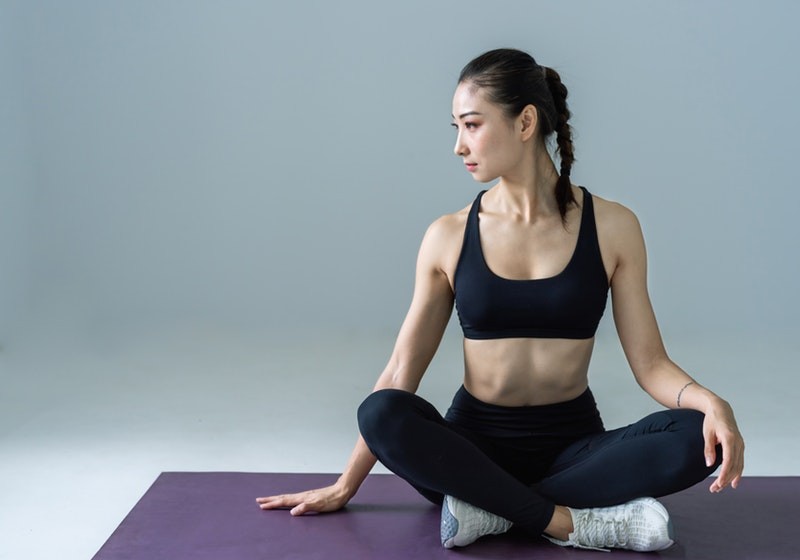
Aerobics is one of the most enjoyable and effective ways to stay fit, but comfort plays a big role in how successful your workout can be. In Singapore’s tropical weather, with year-round humidity and temperatures averaging 30°C, wearing the right outfit can make the difference between an energising workout and an uncomfortable one.
A carefully chosen gym fitness program helps build stamina, flexibility, and coordination, but your activewear directly influences how well you move, breathe, and perform during each session. The right fabrics, fit, and footwear can prevent overheating, improve flexibility, and reduce the risk of skin irritation — all while helping you look confident and professional in class.
Why Activewear Matters for Aerobic Training
Aerobics involves rhythmic, continuous movement, which increases heart rate, body temperature, and sweat production. Unlike casual exercise or stretching, these sessions require you to jump, twist, and bend in quick succession. That’s why clothes designed for fashion or leisure simply don’t perform well in this environment.
Proper activewear supports your joints, wicks moisture away from the body, and allows full mobility without friction. In Singapore’s humid conditions, this becomes even more essential because trapped heat and sweat can quickly lead to discomfort or dehydration.
Key functions of good activewear:
-
Regulates body temperature for better endurance.
-
Prevents chafing and skin irritation from sweat.
-
Enhances flexibility and freedom of movement.
-
Provides appropriate compression to support muscles.
-
Improves confidence through proper fit and style.
When chosen wisely, the right gear boosts both your performance and motivation.
Understanding Singapore’s Climate Challenges
Humidity is the biggest challenge for anyone exercising in Singapore. High moisture in the air makes sweat evaporate more slowly, causing heat retention. This often leads to fatigue, dizziness, and rashes. Choosing breathable, quick-drying materials becomes critical for maintaining comfort and safety.
Air-conditioned gyms can reduce heat, but humidity still persists, especially during high-intensity classes. Additionally, commuting between home, gym, and work means your outfit needs to balance functionality with style and practicality.
Common problems faced in tropical workouts:
-
Excess sweating that causes clothing to cling.
-
Unpleasant odours trapped in synthetic fabrics.
-
Heat buildup leading to fatigue or rashes.
-
Foot discomfort from poor ventilation.
To counter these, focus on materials and fits engineered for ventilation and mobility.
The Science of Fabric: What Works Best in Humid Weather
Not all sportswear fabrics are created equal. The best materials for aerobic workouts in Singapore are those that balance breathability, stretch, and moisture management.
Top choices:
-
Polyester blends: Lightweight, quick-drying, and highly durable.
-
Nylon: Smooth, abrasion-resistant, and ideal for high-movement routines.
-
Spandex (Lycra): Provides flexibility and shape retention for dynamic movements.
-
Bamboo and modal blends: Natural fibres that resist odour and feel soft on skin.
-
Mesh panels: Improve ventilation at heat-prone areas like underarms and back.
Avoid 100% cotton for intense aerobics, as it absorbs moisture but doesn’t dry quickly, leading to heaviness and discomfort.
The Importance of Fit and Design
Fit is just as crucial as fabric. Tight clothing may restrict blood flow or cause skin marks, while overly loose outfits can interfere with movements. For aerobics, the goal is to find clothing that feels like a second skin — snug enough to support, yet flexible enough to move freely.
Fit guidelines for aerobic wear:
-
Tops: Choose sleeveless or short-sleeved designs that allow full arm rotation. Look for mesh or cut-out panels for added airflow.
-
Bottoms: Mid-rise leggings or fitted shorts provide stability during jumping and stretching. Avoid overly thick fabrics that trap heat.
-
Sports bras: Essential for women’s support and posture. Opt for medium to high-impact designs with breathable lining.
-
Men’s options: Compression tops and lightweight shorts offer comfort without restricting agility.
A good fit enhances performance, reduces friction, and ensures your focus stays on movement, not discomfort.
Footwear: The Foundation of Aerobic Performance
Your shoes are the most critical element of your workout gear. Aerobics involves repetitive stepping, twisting, and lateral movements, so proper footwear protects your knees, ankles, and back from strain.
Features to look for in aerobic shoes:
-
Cushioning: Reduces joint impact during jumps or side steps.
-
Lateral support: Stabilises feet during fast directional changes.
-
Breathable mesh uppers: Prevent overheating and moisture buildup.
-
Flexible soles: Allow smooth pivoting to protect knees.
Avoid running shoes for aerobics because they are designed for forward motion only, not multidirectional support. Cross-training shoes or dance sneakers work best.
Layering for Singapore’s Climate
Layering may sound unnecessary in warm weather, but it helps manage body temperature during transitions between air-conditioned spaces and outdoor humidity.
-
Before class: A lightweight zip-up jacket or cover-up prevents chills from air conditioning.
-
During class: Shed layers to stay cool and mobile.
-
After class: Reapply the outer layer to avoid temperature shock and muscle stiffness.
Quick-dry jackets or loose hoodies made from polyester blends provide practicality without trapping heat.
Accessorising Smartly for Comfort
Accessories can elevate comfort and hygiene during workouts. Small details like socks or headbands play a larger role than most people realise.
Useful aerobic accessories:
-
Moisture-wicking socks: Prevent blisters and absorb sweat.
-
Headbands or caps: Keep hair and sweat out of your face.
-
Compression sleeves: Support calves and reduce fatigue during longer sessions.
-
Gloves: Offer grip and protection during bodyweight movements.
Investing in quality accessories improves both performance and comfort, especially in long-duration aerobic sessions.
The Aesthetic Factor: Confidence in Motion
Activewear is not just about function — it also affects mindset. Feeling good about your appearance boosts motivation, confidence, and self-expression during workouts.
Singapore’s fitness culture has embraced stylish yet functional designs, with many gym-goers preferring bold colours, minimalist cuts, or matching sets. Choosing styles that suit your personality can inspire consistency in your gym fitness program.
Style tips:
-
Neutral tones such as navy, grey, or black are versatile and flattering.
-
Bright colours add energy and visibility during classes.
-
Patterned fabrics disguise sweat marks effectively.
-
Coordinated outfits create a professional, confident look.
When you look good, you move better. The goal is not vanity — it’s empowerment.
Care and Maintenance of Activewear
Even high-quality activewear loses effectiveness if not cared for properly. Sweat, bacteria, and detergent residue can degrade fabric performance over time.
Best care practices:
-
Wash in cold water with mild detergent after every use.
-
Avoid fabric softeners, as they clog fibre pores and reduce breathability.
-
Air dry instead of machine drying to preserve elasticity.
-
Store in a cool, dry space to prevent mildew and odour.
With proper care, your gear can last years without losing fit or function.
Building a Minimalist Activewear Wardrobe
You don’t need a closet full of sportswear to stay fit. A small, well-curated wardrobe of versatile pieces can support all your workouts efficiently.
Suggested essentials:
-
2–3 pairs of moisture-wicking tops.
-
2 pairs of leggings or shorts suitable for indoor and outdoor use.
-
2 sports bras (for women) or compression tops (for men).
-
1 pair of cross-training shoes.
-
1 lightweight jacket or cover-up.
Rotating between these ensures hygiene, variety, and style without excess clutter — ideal for Singapore’s space-conscious living.
The Role of Sustainability in Modern Activewear
As more Singaporeans become environmentally aware, sustainable fitness fashion is gaining momentum. Brands are introducing eco-friendly fabrics such as recycled polyester, bamboo fibres, and plant-based dyes.
Choosing durable, sustainable options reduces waste and aligns your fitness journey with mindful living. It also reflects a growing preference for conscious consumption — where every purchase supports both health and the planet.
Sustainability checklist:
-
Look for certified eco-labels or recycled materials.
-
Buy fewer, higher-quality items that last longer.
-
Support local or ethical brands when possible.
Fitness should improve your well-being without harming the environment.
Real-Life Example: Comfort That Transforms Performance
Elaine, a 31-year-old finance executive in Singapore, used to attend aerobics classes wearing casual cotton T-shirts. She often felt overheated and distracted, which affected her stamina. After switching to moisture-wicking tops and supportive leggings, her performance improved noticeably.
She could move freely without worrying about sweat or discomfort, and her confidence in group sessions soared. Elaine’s experience highlights how the right outfit can elevate not only performance but also enthusiasm for fitness.
The Link Between Comfort and Consistency
One of the biggest reasons people skip workouts is discomfort — whether from tight clothing, poor footwear, or heat. Choosing the right activewear eliminates these excuses. When movement feels effortless and cool, exercise becomes a natural, enjoyable part of your lifestyle.
This consistency compounds into long-term results, supporting weight management, endurance, and mental well-being. In the humid Singapore climate, dressing smartly for aerobics is more than a matter of style — it’s a matter of success.
Pairing Performance Wear with Gym Lifestyle
Modern fitness spaces such as TFX encourage members to treat training as a lifestyle, not a chore. By investing in comfortable, functional activewear, you enhance your experience and reduce mental resistance to regular exercise. Whether you’re joining a group class, attending an early morning session, or working out during lunch breaks, the right attire helps you stay fresh, motivated, and focused on results.
FAQ: Real-Life Questions About Aerobics Activewear in Singapore
Q. Can I wear cotton for aerobics if it’s light and comfortable?
It’s better to avoid pure cotton as it absorbs sweat and dries slowly, causing heaviness and discomfort during intense sessions.
Q. What’s the best fabric blend for Singapore’s climate?
Polyester or nylon blended with spandex works best. They provide stretch, moisture management, and quick drying suitable for humidity.
Q. How often should I replace my workout shoes?
On average, every 6–9 months, depending on frequency and intensity of use. Worn-out soles can affect posture and joint health.
Q. Do I need different outfits for indoor and outdoor aerobics?
Not necessarily. Choose versatile, breathable outfits that adapt to both environments. Add sun protection layers for outdoor use.
Q. How do I prevent odours in my sportswear?
Wash immediately after use, avoid leaving damp clothes in bags, and occasionally soak them in a vinegar-water solution to neutralise bacteria.
Choosing suitable attire for your gym fitness program is as important as mastering the right techniques. In Singapore’s tropical climate, breathable fabrics, functional design, and supportive footwear are essential for optimal performance and enjoyment.
When you combine smart wardrobe choices with expert-led classes at TFX, you create a fitness experience that’s stylish, sustainable, and truly effective. Because in fitness, how you feel often determines how far you go — and the right outfit makes every move feel effortless.